Caller Risk Compliance Surveillance Integrity Center 3421949046 3511872939 3240507027 3500122511 3922212497 3703074888

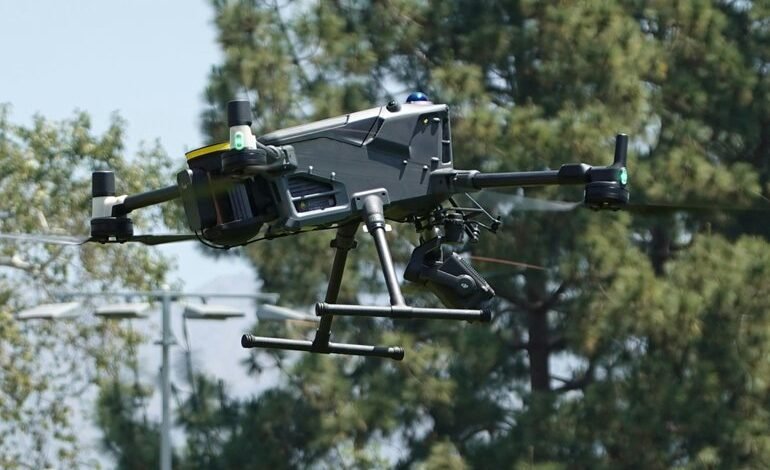
The Caller Risk Compliance Surveillance Integrity Center employs sophisticated technologies to monitor and assess communication channels. By utilizing unique identifiers, the center differentiates between credible callers and potential threats. This meticulous approach ensures compliance with regulatory standards and protects sensitive information. However, as new challenges emerge, the effectiveness of current strategies warrants examination. What advancements might be necessary to maintain security in this evolving landscape?
Understanding Caller Risk Compliance
Although the concept of Caller Risk Compliance may seem straightforward, it encompasses a complex framework designed to mitigate potential risks associated with communication channels.
Central to this framework are processes such as caller authentication and risk assessment, which ensure that only legitimate communications are permitted.
This approach not only safeguards sensitive information but also fosters trust in a system that prioritizes individual freedom and security.
Key Identifiers in Caller Surveillance
In the realm of Caller Risk Compliance, effective surveillance mechanisms are underpinned by key identifiers that enable the accurate monitoring and evaluation of communication interactions.
Caller identification plays a crucial role in distinguishing legitimate contacts from potential threats.
Surveillance technology enhances these processes, providing real-time data analysis and ensuring compliance with regulatory standards, ultimately safeguarding both organizations and individuals from risk exposures.
Strategies for Enhanced Compliance
Effective strategies for enhanced compliance within Caller Risk Compliance Surveillance revolve around the integration of robust frameworks and technology-driven solutions.
Utilizing data analytics allows organizations to identify trends and anomalies, facilitating proactive risk assessment.
Implementing continuous training programs ensures staff remain informed about evolving regulations.
Furthermore, fostering a culture of transparency enhances accountability, ultimately leading to more effective compliance management and reduced operational risks.
The Future of Caller Risk Management
As organizations continue to refine their compliance frameworks, the future of caller risk management is poised for significant evolution driven by advancements in technology and regulatory changes.
Enhanced caller authentication methods will enable more precise fraud detection, reducing risks associated with identity theft.
Embracing artificial intelligence and machine learning will further empower organizations to proactively address vulnerabilities and ensure robust compliance in an increasingly complex landscape.
Conclusion
In conclusion, the Caller Risk Compliance Surveillance Integrity Center exemplifies a robust framework for safeguarding communication channels against potential threats. By leveraging advanced surveillance technologies and key identifiers, the center enhances compliance and protects sensitive information. As the landscape of communication continues to evolve, one must ponder: how will organizations adapt their strategies to stay ahead of emerging risks? The commitment to continuous improvement will be essential in cultivating a secure environment for all stakeholders involved.