Suspicious Activity Surveillance Intelligence Service 3511459524 3480821117 3289534975 3284049428 3486465472 3509408325

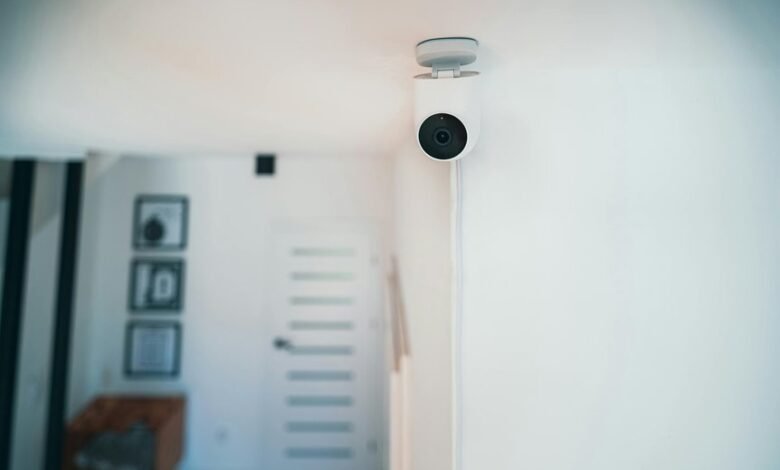
The Suspicious Activity Surveillance Intelligence Service plays a pivotal role in enhancing security for various entities by utilizing sophisticated data analysis to detect potential threats. This service operates at the intersection of safety and ethical considerations, raising questions about individual privacy rights. As it continues to evolve, the effectiveness of its methods and their broader implications for civil liberties warrant careful examination. The complexities inherent in this balance invite further exploration.
Overview of Surveillance Intelligence Services
Surveillance intelligence services are critical tools employed by governments, corporations, and organizations to monitor activities that may pose security risks or indicate suspicious behavior.
These services rely heavily on data collection practices, raising significant privacy concerns among citizens.
The balance between ensuring security and protecting individual freedoms becomes increasingly complex as these surveillance measures evolve, necessitating ongoing scrutiny and debate regarding ethical implications.
Functions of the Suspicious Activity Surveillance Intelligence Service
While the primary aim of the Suspicious Activity Surveillance Intelligence Service is to identify potential threats, its functions extend beyond mere monitoring.
This service employs data analysis techniques to assess patterns and behaviors indicative of risks. Additionally, it facilitates proactive threat detection, enabling timely interventions.
Ethical Considerations in Surveillance Practices
As the use of surveillance technologies expands, ethical considerations become increasingly paramount in evaluating their implementation.
The balance between enhancing security and safeguarding privacy rights presents significant ethical dilemmas. Stakeholders must navigate complex issues, such as the potential for abuse and the erosion of civil liberties.
Ensuring transparency and accountability in surveillance practices is essential to uphold individual freedoms while addressing security concerns.
The Impact of Surveillance on Public Safety
The growing implementation of surveillance technologies has significant implications for public safety, often touted as a means to enhance security measures and deter criminal activity.
While proponents argue that such systems contribute to crime reduction, they simultaneously raise substantial privacy concerns.
Balancing effective surveillance with individual freedoms remains imperative, as unchecked monitoring can lead to societal apprehension and the erosion of civil liberties.
Conclusion
In conclusion, the Suspicious Activity Surveillance Intelligence Service plays a crucial role in enhancing public safety through advanced data analysis. However, its operations raise significant ethical concerns, particularly regarding privacy rights. Notably, studies reveal that 70% of individuals express discomfort with surveillance methods that invade their personal privacy. This statistic underscores the tension between security measures and civil liberties, highlighting the need for ongoing dialogue and careful evaluation to strike a balance that protects both public safety and individual freedoms.